

Breeze and Brew: Weave Yard and the University of Oxford’s School of Archaeology Launch a New Chapter of “Community Curation”
On April 27, a cultural event aimed at breaking down the “high walls” of museums and connecting academic research with community life—“Breeze and Brew” Fan and Tea Culture Experience—took place at the renowned Ashmolean Museum.
This event was jointly initiated by Weave Yard, a platform dedicated to promoting public participation in arts and culture, together with the University of Oxford School of Archaeology, supported by and hosted at the Ashmolean Museum. It is not merely a traditional art appreciation event, but an innovative attempt by Weave Yard to put its concept of “community curation” into practice, enabling community members to deeply engage with academic resources and museum collections.
Bridging Past and Present: From Gallery Treasures to Study Room Secrets
The atmosphere on the day was vibrant and energetic. Due to limited capacity, all 28 available places were fully booked immediately upon release, demonstrating the strong enthusiasm of the local community for meaningful interaction with the Chinese collections at the Ashmolean Museum.
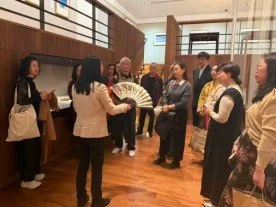
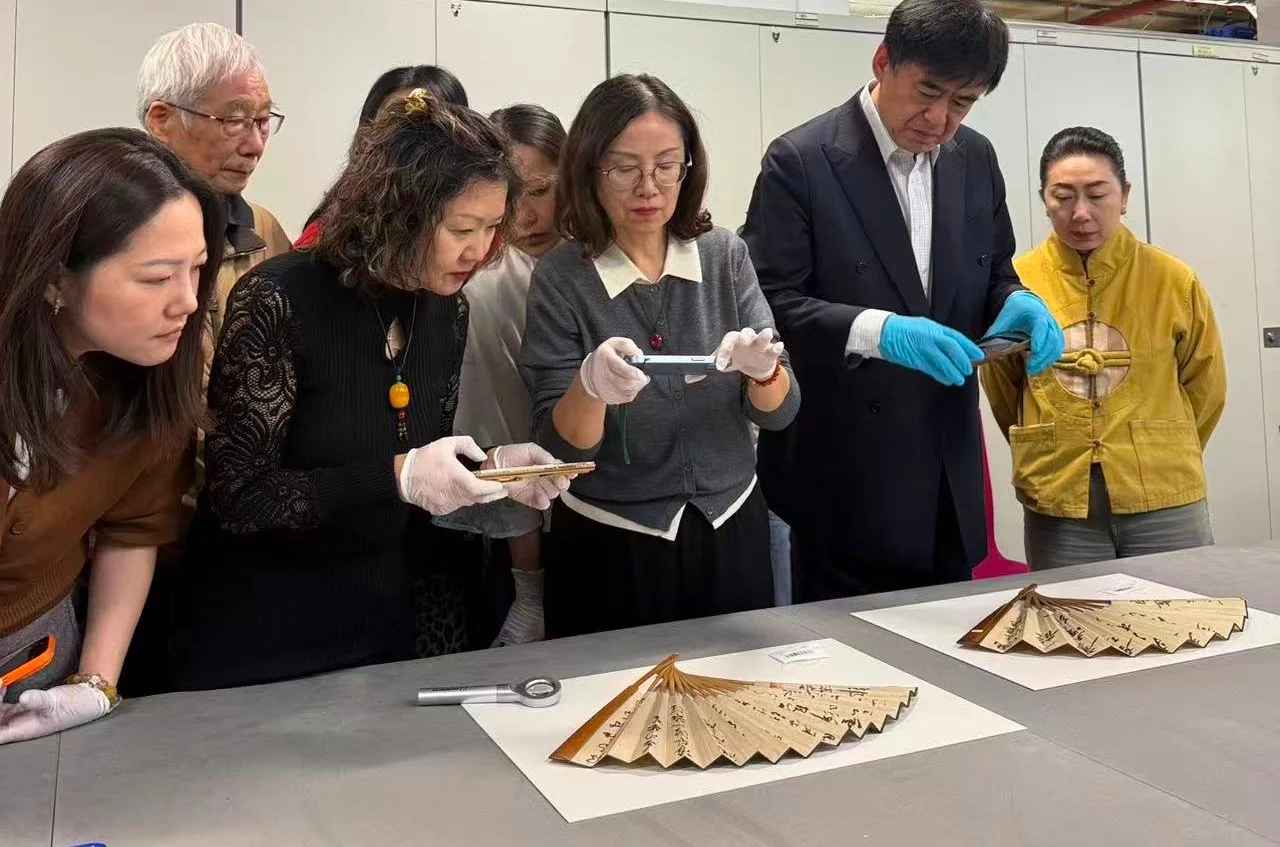
Dr Jenny Wang, Founder and Director of Weave Yard, personally led the session. She guided participants between the museum galleries and the Eastern Art Study Room, not only offering in-depth interpretation of six representative fans on display, but also, with special permission from the museum, bringing out six rarely seen fan objects and related tea wares from storage for close viewing.
Starting from the historical context of objects, Dr Wang unfolded the evolving story of folding fans and their relationship with tea culture, enabling participants to move from “looking” to “understanding.”
PhD researcher Melody Li from the School of Archaeology provided complementary insights from her academic research, explaining tea culture through the displayed tea wares and establishing a meaningful connection between “tea and fan.” She also selected tea-related objects to be brought into the study room, allowing participants to handle and experience them directly, bringing academic research vividly to life.
Suzhou Craftsmanship in Oxford: A Heritage Crossing Continents
Another highlight of the event was the presence of cultural heritage from Suzhou, the historic centre of Chinese folding fan craftsmanship.
Mr Ye Ren, a 78-year-old senior artist who previously served as director of several major Suzhou arts and crafts factories (including the embroidery general factory), attended the event in person, bringing with him the craftsmanship of Suzhou.
Mr Ye not only presented his own fan paintings, but also brought exquisite works by Mr Zhou Qichang, the 82-year-old former director of the Suzhou Fan Factory and a leading master in the field, as well as works by the renowned Suzhou artist Mr Lu Weiyi.
Although Mr Zhou could not attend in person, he specially recorded instructional videos demonstrating how to paint fan leaves and assemble fan ribs. This “remote transmission” of craftsmanship across continents allowed participants to deeply appreciate the depth and warmth of China’s intangible cultural heritage.
East Meets West: A Shared Creative Moment
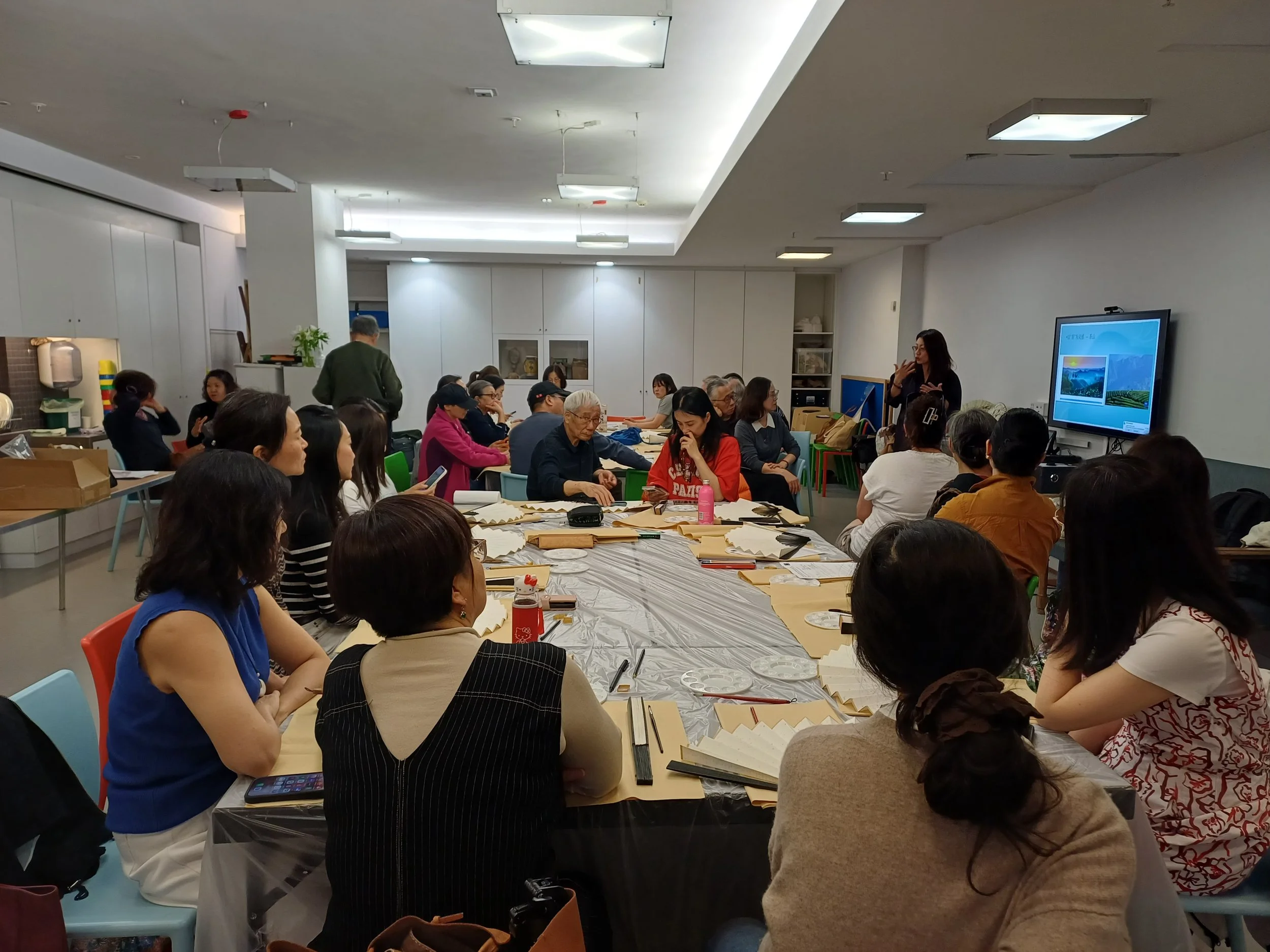
During the creative session, Chinese artist Dr Zhang Shibin guided participants to create fan paintings based on the theme of tea.
Former President of the Royal Watercolour Society and renowned artist David Paskett—who has created a substantial body of work inspired by Chinese themes—also joined the session with great enthusiasm. To help participants overcome challenges in composition, he had specially prepared hand-made fan-shaped composition templates and coloured image guides, personally demonstrating how to construct an artwork within the unique spatial format of a folding fan. He then sketched directly onto the fan surface from his distinctive artistic perspective, capturing the vivid moments of community creativity. Ms Melissa Evans, Director of Creative Development at Weave Yard, also created her own “green tea fan.”
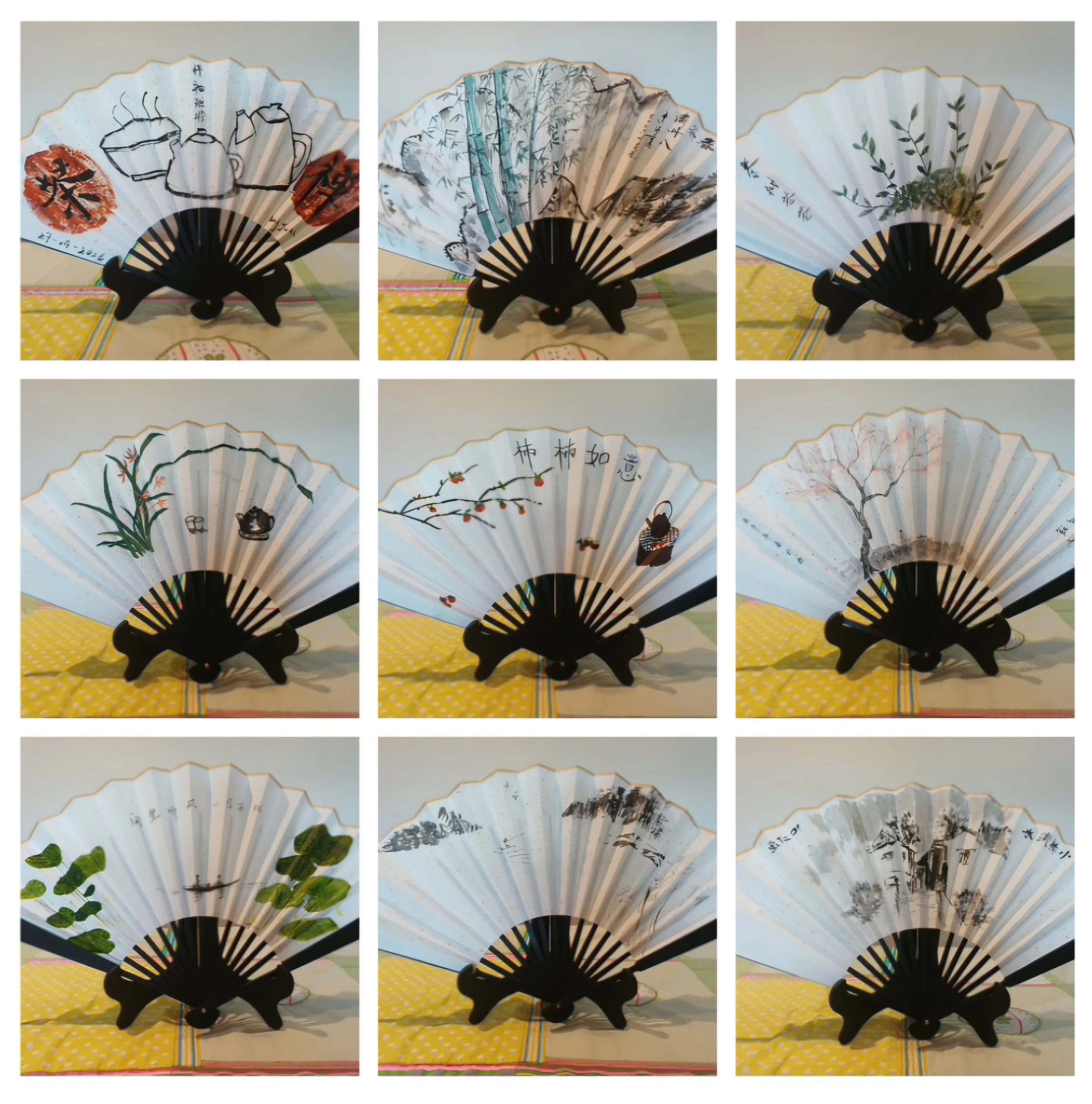
Participants from diverse backgrounds fully immersed themselves in the process. The works were not judged by technical skill, but instead infused with personal reflections from everyday life: beneath the brush, some transformed into abundant fruits, conveying the beautiful wish that “all things go as desired”; some spread into layered shades of green, evoking the refreshing fragrance of tea gardens in full bloom; some, rendered in fine lines, recreated the whitewashed walls and dark-tiled roofs of the ancient city of Suzhou; others freely expressed bamboo and orchids in ink, embodying the moral integrity of the cultivated gentleman. Each folding fan thus became not only a carrier of art, but also a vivid and colourful reflection of shared community sentiment.
Deep Engagement: Breaking the “Fourth Wall” of the Museum
Ms Gianna French, Public Engagement with Research Coordinator at the Ashmolean Museum, attended the opening and expressed strong support for this community-driven, academically guided model.
Professor Anke Hein of the University of Oxford provided academic guidance for the project and event, while GLAM Community Engagement Officer Beth McDougall supported the design and delivery of the event.
As Dr Jenny Wang noted: “We hope that museum objects are no longer cold displays, but become bridges that enrich community life and enhance cross-cultural understanding.”
Selected participant works may be included in future exhibitions, allowing community-created artworks to enter academic and cultural spaces.
Starting from the fan, ten days later the project will extended its focus to tea, continuing with a specially designed tea-tasting experience based on museum tea collections. The fragrance of tea will unfold alongside the gentle movement of fans, further advancing the expression of Chinese culture within a contemporary social and civic context.
The Project Continues in Collaboration with Academic Research:
About the Tea Research Project
(University of Oxford School of Archaeology)
This project explores the role of taste as a tool for storytelling and research in museums. A collaborative team from the School of Archaeology and Crossmodal Research Laboratory (Department of Experimental Psychology) will work with the Ashmolean Museum, GLAM Outreach professionals, WeaveYard community curatorial platform, and Oxford ceramic artist, Jynsym Ong to deliver a taste-based workshop to museum visitors. The workshop invites participants to drink tea from replicas of historic cups, attend a guided tour with object handling, and discover the history of tea. Feedback from the tea-tasting session directly informs ongoing archaeological PhD research into the sensory properties of historic ceramic vessels. It aims to provide a model for sensory activities and invite visitors to co-create knowledge and correct/re-interpret curatorial understandings of museum collections.
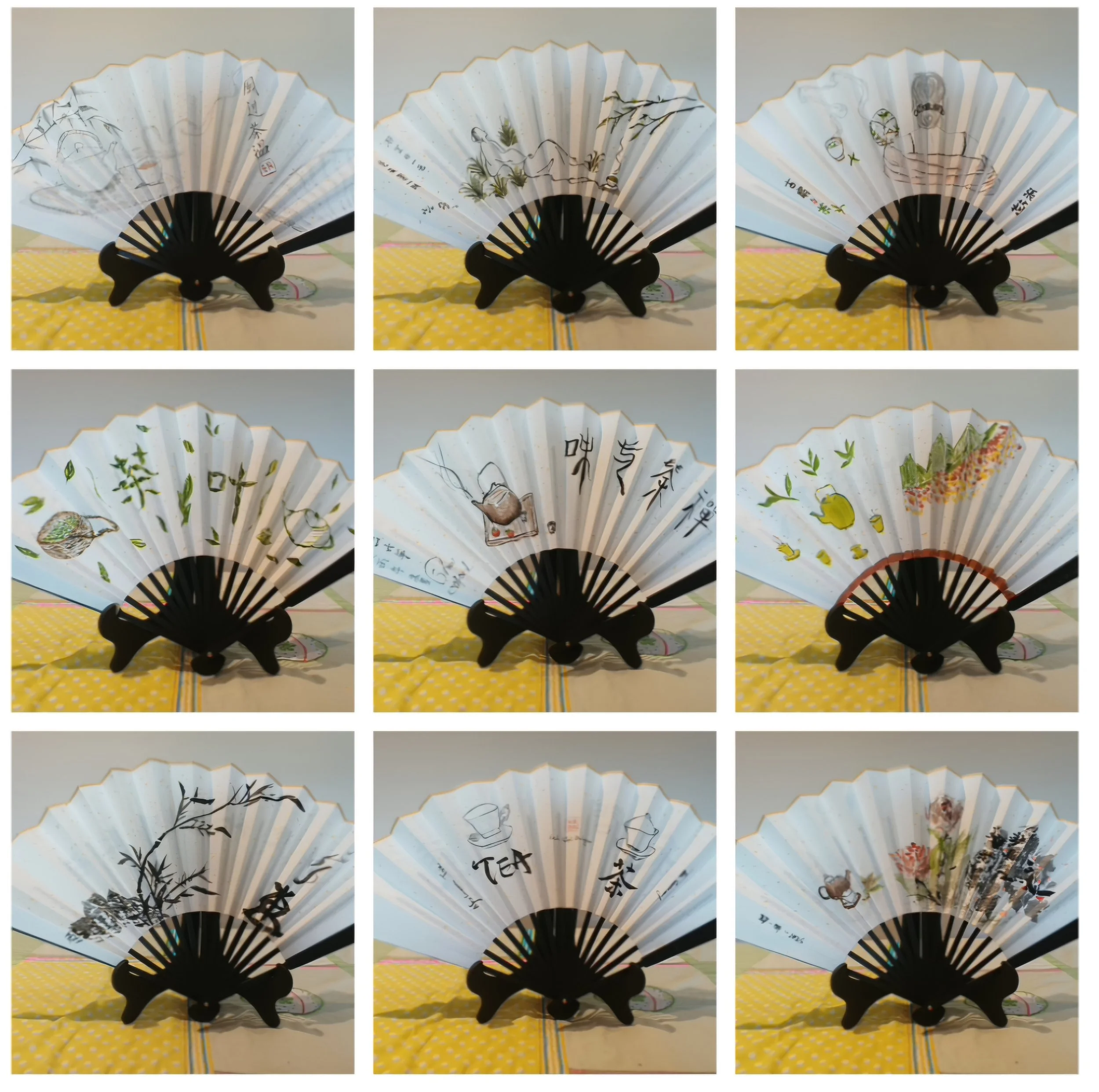
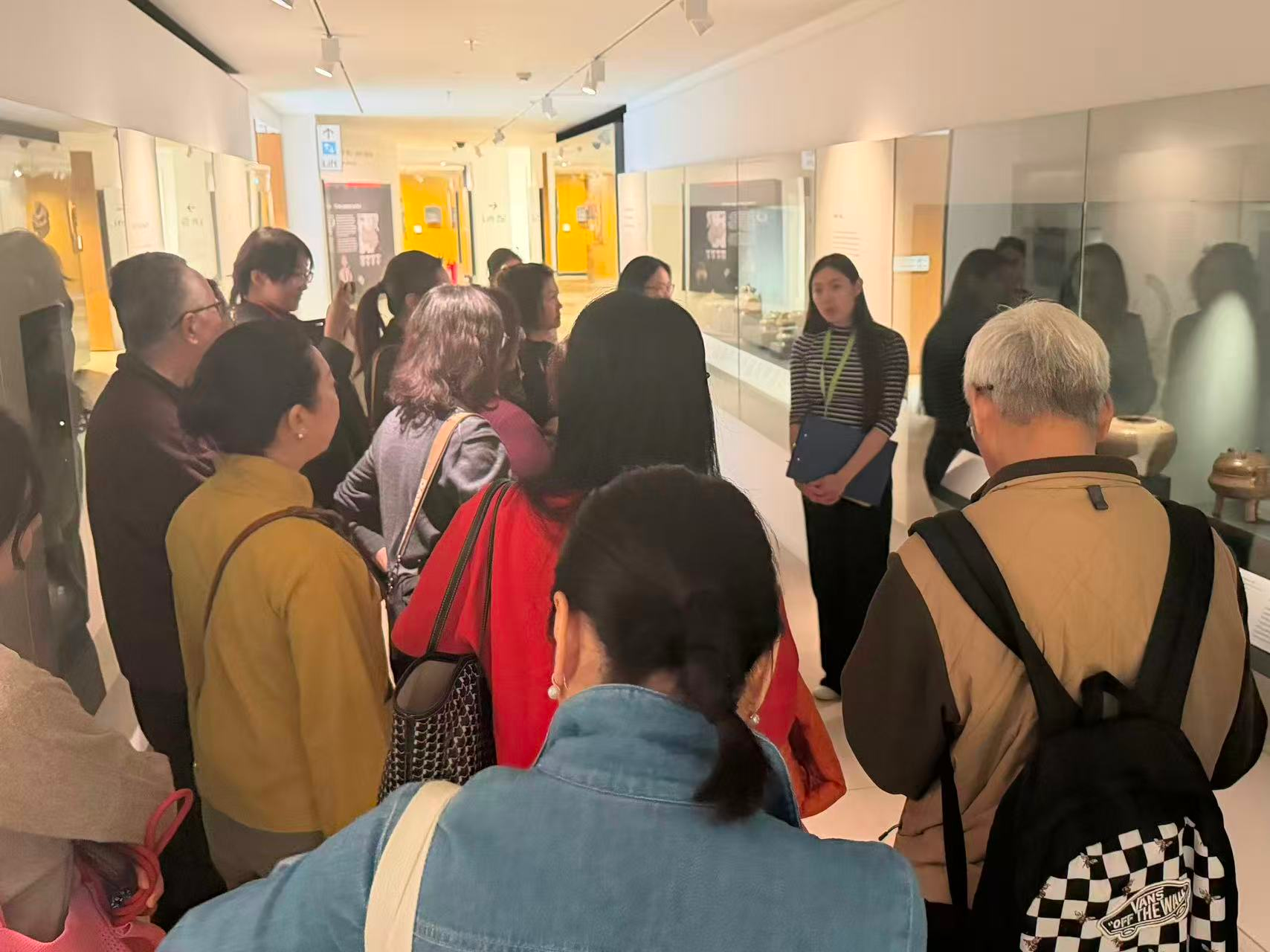
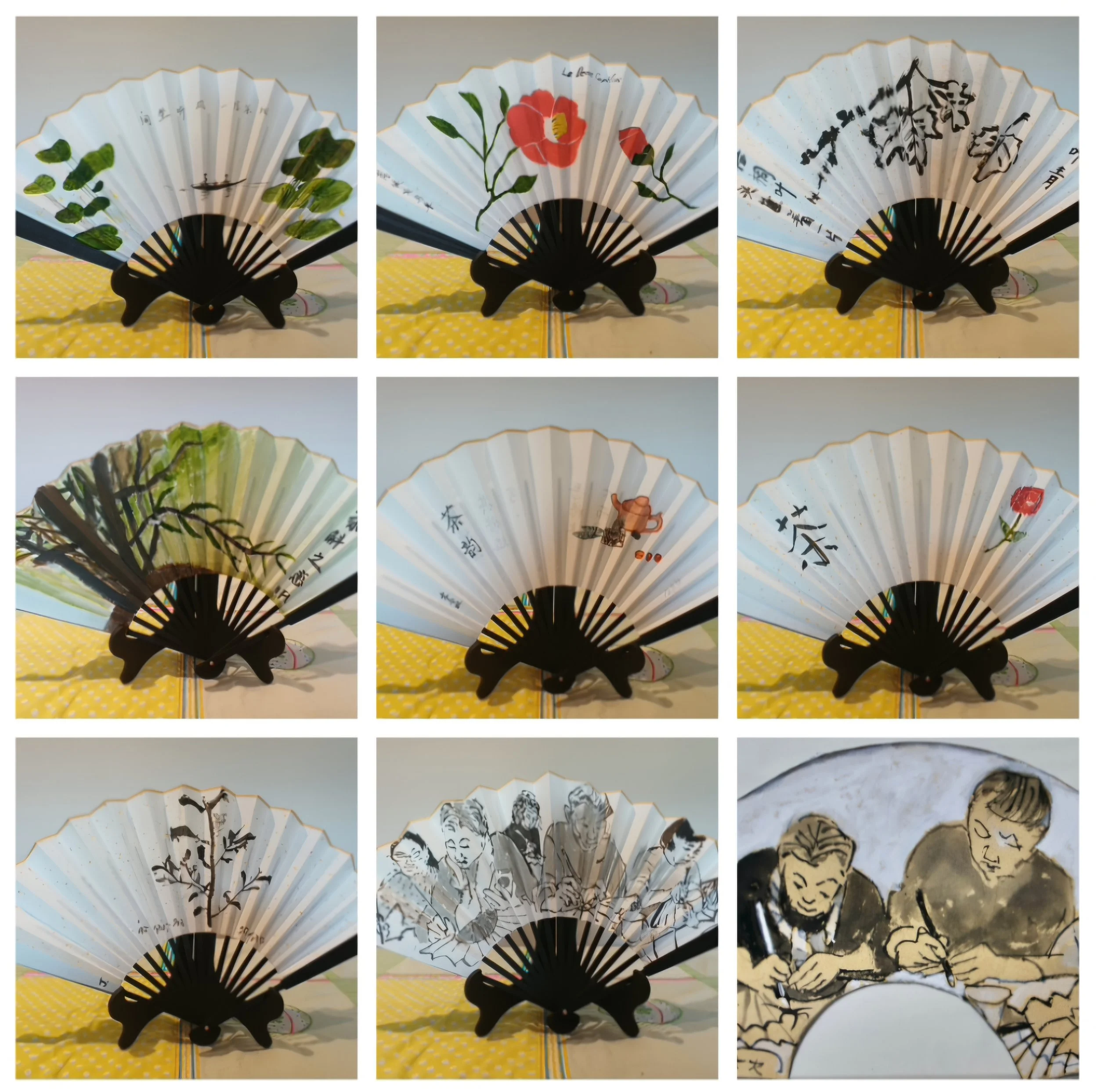
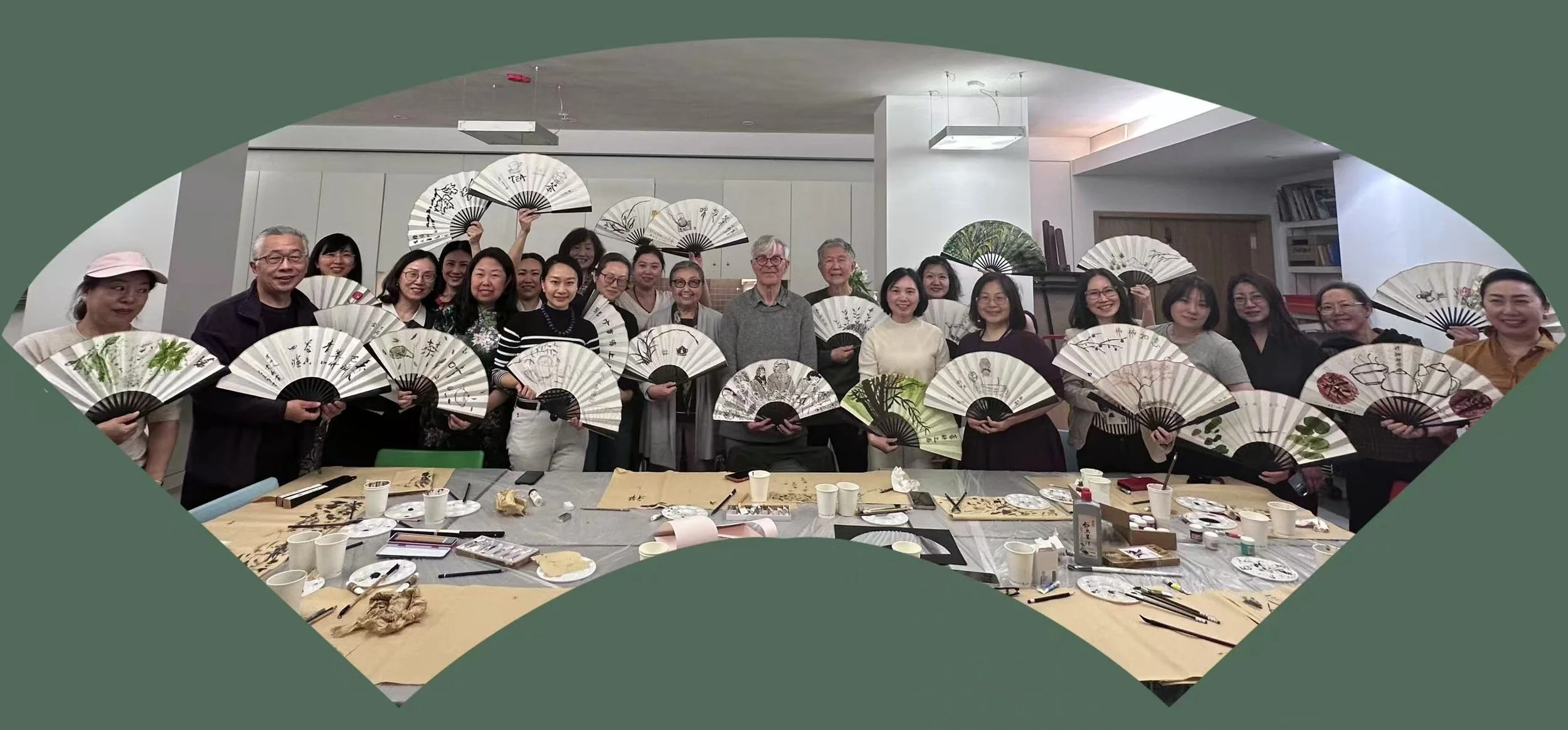
Breeze & Brew @ Ashmolean Museum
Image courtesy of the Breeze & Brew project team